PLC Components Overview: CPU, I/O, HMI & Programming Tools

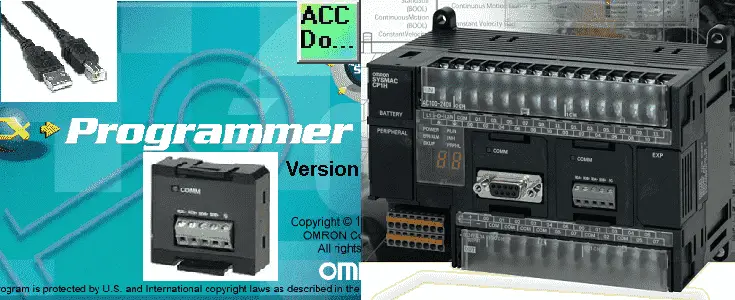
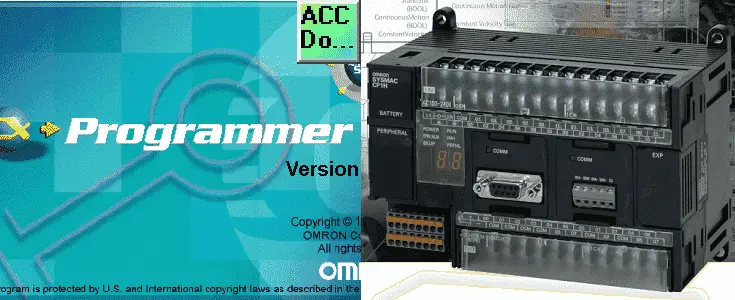
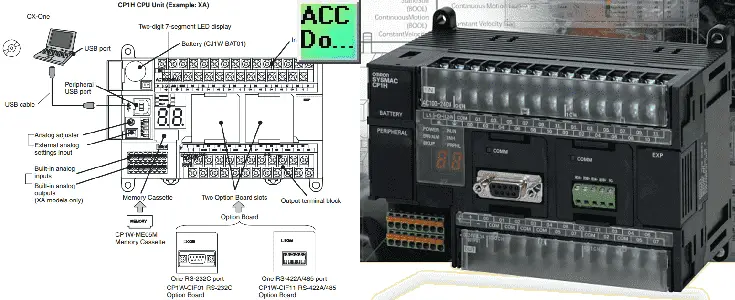
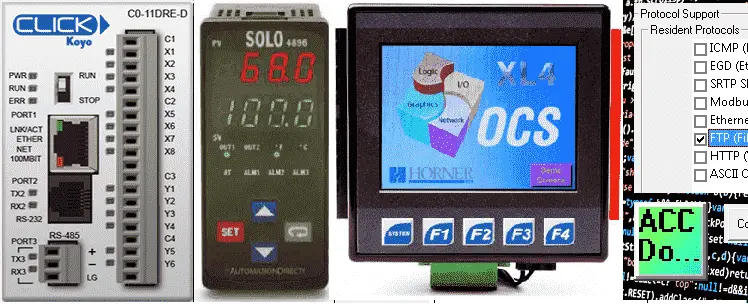
We will now look at the parts of a PLC system. When I was in school PLCs were just in their infancy. We were taught that the PLC consisted of the central processing unit (CPU), analog and digital inputs, and outputs. Everything was programmed with dedicated handheld devices and/or software devices on specialized hardware. We … Read more

XL4 PLC HMI Programming Cscape Environment Customization Guide!

The Horner XL4 OCS all-in-one controller is programmed using Cscape. Cscape (Control Station Central Application Programming Environment) We will now set up the Cscape software so we can easily communicate and program our controller.

Horner XL4 Installing the Software Cscape

The Horner XL4 OCS all-in-one controller is programmed using Csape. Cscape (Control Station Central Application Programming Environment) This single programming software package is designed to be easy to use and maintain. We will now install this programming package onto our computer.

Unlock Click PLC Secrets: Temperature Control Via Modbus!

Receive and Send instructions will allow you to send and receive serial data to an external device. The communication method that you setup can be ASCII or Modbus. ASCII (American Standard Communication for Information Interchange) can be used to send to devices such as a printer. Receiving ASCII can be used for connecting barcode scanners … Read more

Click PLC Drum Control: Traffic Light Sequencing Made Simple

Drum instructions are great tools when you have a simple sequence of events that need to occur at a set time interval or as a result of an event. They mimic an electromechanical drum sequencer. The Click PLC has a drum in the instruction set. We will discuss the drum instruction and look at an … Read more

How PLCs Remember: Shift Registers Unlock Your Past Data!

A lot of times when programming a PLC you need to track what has previously happened. Shift registers allow you to do just that. The Click PLC has a shift register in the instruction set. We will discuss the shift register and look at an example.

Why Your PLC Code Fails: Master the Hidden Scan Secrets

Understanding how the PLC will scan and update your program is critical in programming and troubleshooting your system. Typically a PLC will solve your logic from left to right, top to bottom. The status of the memory from the previous rung, are available for the next rung to use. We will look at a few … Read more

Click PLC Flow Techniques: Timed Interrupts & Subroutines Setup

The program control instructions will allow us to specify what parts of the logic get solved and when this happens. This will control how the PLC will scan and solve your logic in your program. 

Click PLC Math Secrets: Master Comparisons Like a Pro!

Compare and math instructions in the Click PLC will allow you to do a number of things. We will use the compare instructions to turn on bits which will indicate production shifts. Using the math instruction we will convert the number of units made to a weight. 

Master PLC Motor Delays: 7-Motor Sequential Start Guide

PLC Programming Example – Delay Starting of 7 Motors

We will look at a PLC programming example of delaying the start of 7 motors. Each motor will be on a switch that the operator can select at any time. The motor outputs should have a 5-second delay between the outputs coming on. This question originally came from PLCTalk.net. An original solution to the problem … Read more